Are you thinking about building a home that works around your family, routines and personal style? A custom home gives you more control over the property, layout, materials and details than you would normally have when buying an existing house.
That freedom can make your home more comfortable and practical from the day you move in. It can also reduce the need to renovate rooms that were never designed for the way you live.
Below, we explain the main benefits of building a custom home and the practical decisions that come with the process.
Quick answer
The main benefit of a custom home is choice. You can design the floor plan, select the materials, plan for future needs and choose a property that suits your lifestyle. The result is a home made for you rather than a home you must adapt to.
The main benefits at a glance
- A floor plan designed around your routine
- Control over materials, finishes and workmanship
- Better comfort and energy planning
- Spaces that can adapt as your needs change
- More freedom to express your personal style
- The ability to choose the right lot and location
- A clearer plan for where your construction budget is spent
What Is a Custom-Built Home?
A custom-built home is designed and constructed for a particular homeowner and property. Instead of choosing from a limited group of standard floor plans, you work with a design and construction team to create a home around your priorities.
You can make decisions about room sizes, ceiling heights, storage, natural light, exterior materials, mechanical systems and interior finishes. The design must still follow zoning, building-code and permit requirements, but it offers far more flexibility than a typical production home.
Odima’s custom home building services bring the design, planning and construction stages together so each decision can be considered as part of the complete project.
Benefits of Building a Custom Home
A Floor Plan Designed for Your Lifestyle
An existing home may have rooms that are too small, poorly placed or no longer useful. A custom home allows you to begin with your daily routine and design the layout around it.
Depending on your needs, you may include:
- An open kitchen connected to the dining and living areas
- A quiet office away from the main family spaces
- A mudroom with storage near the garage entrance
- A main-floor bedroom for parents or guests
- A separate preparation kitchen or pantry
- A dedicated gym, media room or hobby space
More Functional Use of Space
A larger house is not always a more functional house. What matters is how well each room connects to the next and whether the space supports the way your family lives.
A custom layout can reduce unused hallways, improve storage and place frequently used rooms where they make the most sense. You can also plan furniture locations, door swings and traffic flow before construction begins.
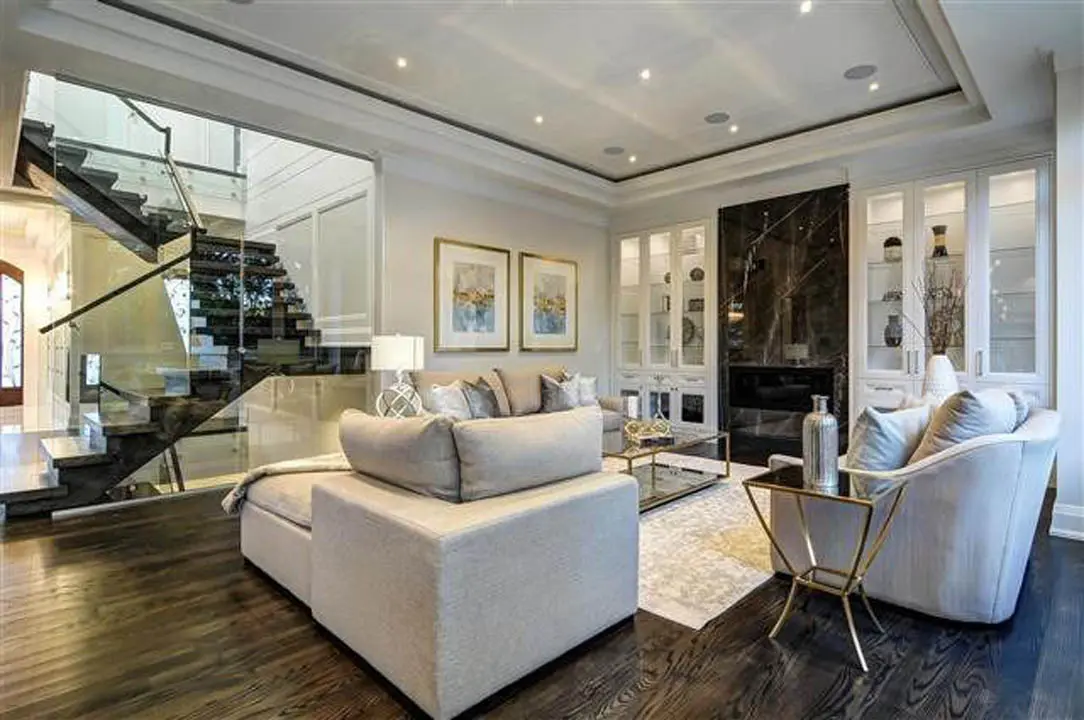
Control Over Materials and Finishes
When you buy an existing home, you inherit choices made by previous owners or developers. Some finishes may not suit your taste, while other materials may need to be replaced sooner than expected.
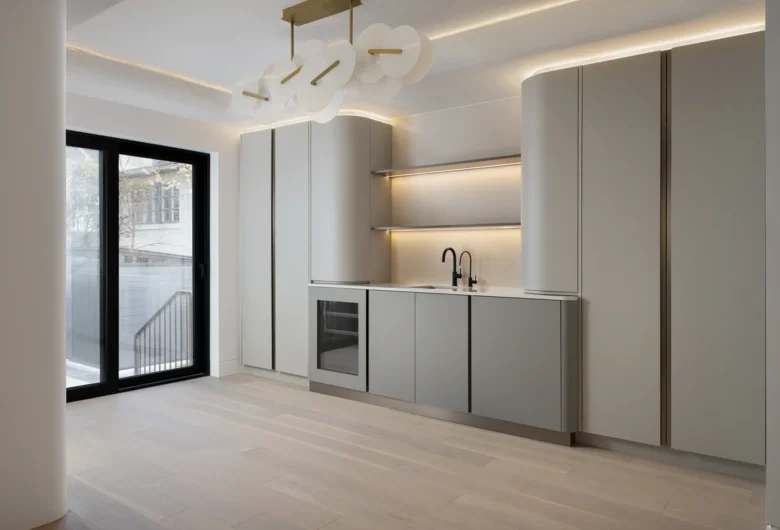
Building a custom home allows you to compare materials and decide where durability, appearance or ease of maintenance matters most. You can select flooring, cabinetry, countertops, plumbing fixtures, windows, doors and exterior finishes with the full design in mind.
A practical approach
You do not need to choose the most expensive option in every room. A clear specification plan helps you invest in the materials that will have the greatest effect on comfort, durability and appearance.
Better Comfort and Energy Planning
Comfort depends on more than the thermostat. Window placement, insulation, air sealing, ventilation, shading and mechanical systems all affect how the home feels throughout the year.
With a new custom build, these systems can be planned together instead of being added through separate renovations. You can discuss energy goals early and choose solutions that suit the size, design and orientation of the home.
A Home That Can Adapt Over Time
Your needs may change after the home is complete. Children grow, parents may move in and working from home can become a permanent part of your routine.
A future-ready design may include:
- A flexible room that can become a bedroom or office
- A main-floor bathroom with accessible clearances
- Rough-ins for a future elevator or additional kitchen
- Storage that can be adjusted as your family grows
- Electrical capacity for future equipment and technology
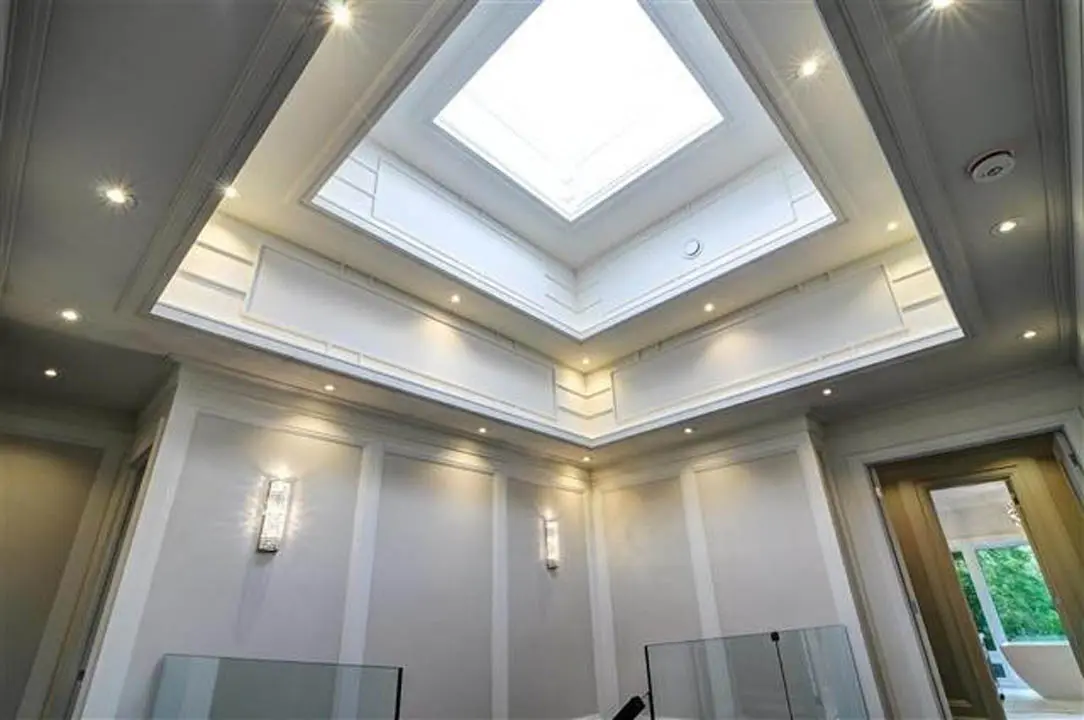
Freedom to Express Your Style
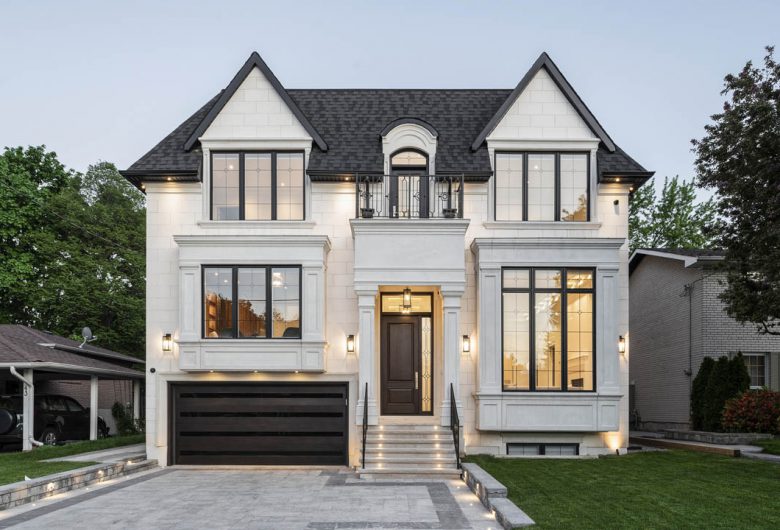
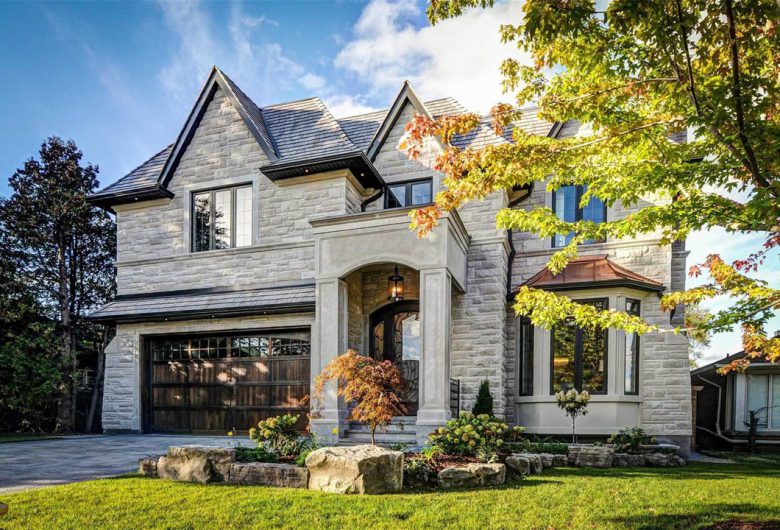
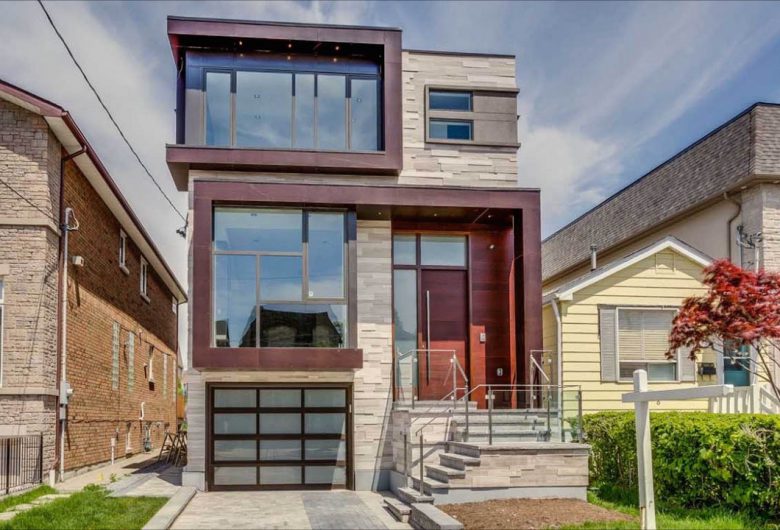
Your home can reflect the architecture and interior style you enjoy instead of following a standard package. You may prefer a traditional exterior, a clean contemporary design or a balanced combination of both.
The design can carry through the entire property, from the exterior materials and roofline to the millwork, lighting and hardware. Working from one plan helps the finished home feel consistent rather than assembled room by room.
Choice of Property and Location
Building a custom home may allow you to stay in a neighbourhood you already enjoy while replacing a house that no longer meets your needs. You may also choose a lot close to schools, work, family, parks or other important amenities.
However, not every design will fit every lot. Zoning, setbacks, lot coverage, protected trees and grading can affect what you can build.
Before purchasing a property, review our guide to buying land and building a house in Toronto.
Custom Home vs. Existing or Production Home
| Consideration | Custom home | Existing or production home |
|---|---|---|
| Floor plan | Designed around your needs and property. | Usually fixed or limited to set options. |
| Materials | Selected for your budget, design and priorities. | Previously selected or already installed. |
| Location | You choose a suitable lot or teardown property. | Limited to homes currently available for sale. |
| Move-in timing | Requires design, approvals and construction. | Usually available much sooner. |
| Changes after purchase | Most major decisions are planned before moving in. | Renovations may be needed to suit your lifestyle. |
Is a Custom Home Right for You?
A custom build can be a worthwhile investment when you have clear priorities and are prepared to take part in the planning process. It may be the right choice if several of the following points apply to you.
- ✓ You want to live in a particular neighbourhood or on a specific lot.
- ✓ Existing homes do not provide the layout or room sizes you need.
- ✓ You want control over materials, systems and finishes.
- ✓ You are prepared for the design, permit and construction timeline.
- ✓ You have a realistic budget with room for contingency.
- ✓ You want a home designed for long-term use rather than short-term trends.
Keep in mind
Custom does not mean unlimited. The design must work with the property, local regulations and your budget. Early feasibility and cost planning help you make informed choices before the drawings become too detailed.
Planning Your Custom Home
One of the first things you should think about is how you want the home to support your everyday life. Make a list of essential rooms, preferred features and problems you want the new design to solve.
It is also helpful to separate your must-haves from features that can be adjusted if the budget changes. A qualified builder can then review the property, design goals and finish level before providing meaningful cost guidance.
For more information, review the custom home building process and our detailed guide to the cost of building a house in Toronto.
You can also explore Odima’s custom home portfolio to see how different layouts, materials and architectural styles come together.
Frequently Asked Questions
Is building a custom home worth it?
A custom home can be worthwhile when you want a specific location, layout and finish level that existing homes cannot provide. Its value depends on your budget, timeline, property and long-term plans.
Is a custom home more expensive than buying an existing house?
A custom build often requires a larger upfront investment because it includes design, approvals, site work and new construction. However, an existing house may also require substantial renovations to meet your needs.
Can I build a custom home on any lot?
No. Zoning, setbacks, lot coverage, height limits, trees, grading, servicing and heritage rules can affect what may be built. A feasibility review should be completed before you finalize the property purchase.
Can I choose all the materials and finishes?
You can usually make detailed selections for the exterior, flooring, cabinetry, countertops, fixtures, lighting and other finishes. Choices must still fit the approved design, building requirements and project budget.
How long does it take to build a custom home?
The timeline varies by property, design complexity, approvals, weather and material availability. The complete schedule should include design, permits, demolition or site preparation, construction and final inspections.
When should I contact a custom home builder?
It is helpful to contact a builder before purchasing land or completing the design. Early construction input can identify site concerns, budget risks and practical changes while your options are still open.
Ready to plan a custom home?
Odima Construction can help you review your property, priorities and budget through a coordinated design-build process.