Home Addition Design and Construction
Create More Room Without Starting Over Somewhere Else
A home addition gives your family more usable space while keeping the property, neighbourhood and routines you already value. The right plan begins by connecting your space goals with the existing house, lot conditions, zoning, structure and working budget.
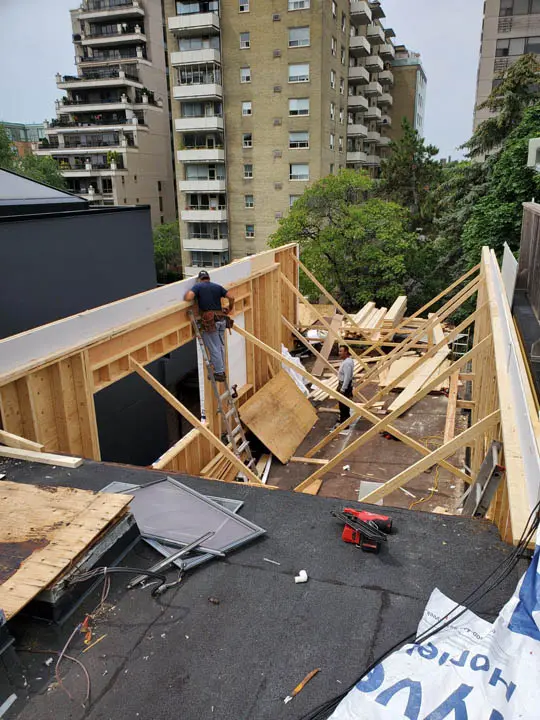
The First Planning Decision
Build Up or Build Out?
The answer depends on the property and the rooms your family needs. Early review helps prevent a preferred concept from moving ahead before its structural, zoning and site implications are understood.
Building Up
A second-storey or dormer addition can preserve more yard area. The existing structure, stair location, roof, services and temporary weather protection all need to be considered as the concept develops.
Building Out
A rear or side extension can connect directly to kitchens, family rooms and main-floor living areas. Lot coverage, setbacks, grading, trees, access and new foundation work influence what is practical.
Home Addition Options
Choose the Space the House Actually Needs
Addition types are starting points, not fixed packages. The final scope should respond to your property, current layout and the way the new rooms will be used.
Second-Storey Additions
Add bedrooms, bathrooms or flexible family space above the existing home while retaining more of the current footprint and yard.
Rear and Side Extensions
Extend the main floor to create a larger kitchen, dining area, family room, mudroom or a more connected living arrangement.
Kitchen and Family-Room Expansions
Rework the surrounding plan as part of the extension so the added floor area supports storage, circulation, cooking and shared family use.
Dormer and Upper-Level Space
Increase headroom and improve the usability of an upper level or attic where the existing roof form and structure support the approach.
Bungalow and Garage Additions
Add main-floor rooms, accessible space or practical garage and storage area while considering setbacks, driveway access and exterior proportions.
In-Law and Garden Suites
Plan more independent living space for family members. Attached suites and detached garden suites follow different property, zoning and approval requirements.
A Coordinated Design-Build Process
Move from Property Review to Construction with Fewer Unknowns
Odima’s home addition process connects design, consultant information, approvals, pricing and construction. The exact sequence and responsibilities are confirmed for the project before work begins.
Discuss the rooms, priorities, property, desired finish level and working budget.
Review the existing layout, access, visible conditions and information needed from consultants.
Develop the addition layout and connect it to the existing structure, exterior and building systems.
Prepare and coordinate the project information assigned within the agreed permit scope.
Confirm selections, pricing, schedule assumptions, access plans and required homeowner decisions.
Coordinate the work, inspections, documented changes, final review and project handover.
Toronto Addition Approvals
Permits Begin with the Property and Proposed Scope
The City of Toronto requires a building permit for an addition to an existing building. The complete submission and any related approvals depend on the property and the work proposed.
Zoning and Site Information
Property boundaries, setbacks, lot coverage, building height and other zoning considerations are reviewed against the proposed addition. A survey or additional site information may be needed.
Architectural and Structural Drawings
Permit drawings describe the existing home and proposed work. Structural, mechanical or other professional information may be required based on the addition.
Related Property Reviews
Tree protection, ravine controls, grading, utilities or other property-specific matters may create separate requirements. These are identified with the appropriate professionals and authorities.
Construction Inspections
Required inspections are scheduled as construction reaches the applicable stages. Inspection results and any required follow-up are addressed before the next dependent work proceeds.
Permit and consultant responsibilities should be written into the project scope. Municipal review and approval remain under the authority of the City and other applicable agencies.
City of Toronto Permit GuidancePlanning Cost and Timing
What Shapes a Toronto Home Addition
A useful estimate comes from a defined design and site information. A single square-foot price cannot account for every existing home or addition.
Existing Conditions
Foundation capacity, structure, services, access and concealed conditions influence the work needed to connect new construction to the house.
Addition Form
Building up, extending out, adding excavation or changing the roof affects structural design, temporary protection and construction sequencing.
Drawings and Decisions
Clear drawings, specifications and timely selections help pricing and procurement reflect the approved scope more accurately.
Materials and Building Systems
Exterior matching, windows, millwork, finishes, plumbing, electrical and HVAC requirements affect both procurement and installation.
Approvals and Availability
Municipal review, consultant coordination, product lead times and trade availability are considered when a project schedule is prepared.
Real Odima Project Details
Residential Work that Shows the Finish Standard
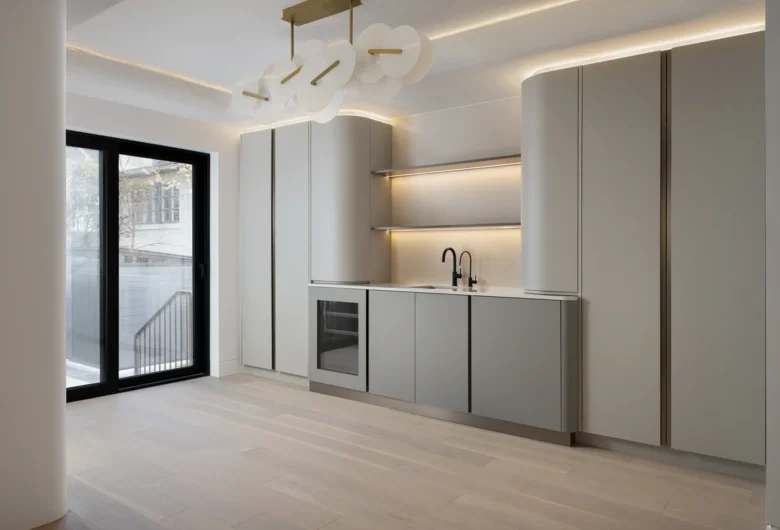
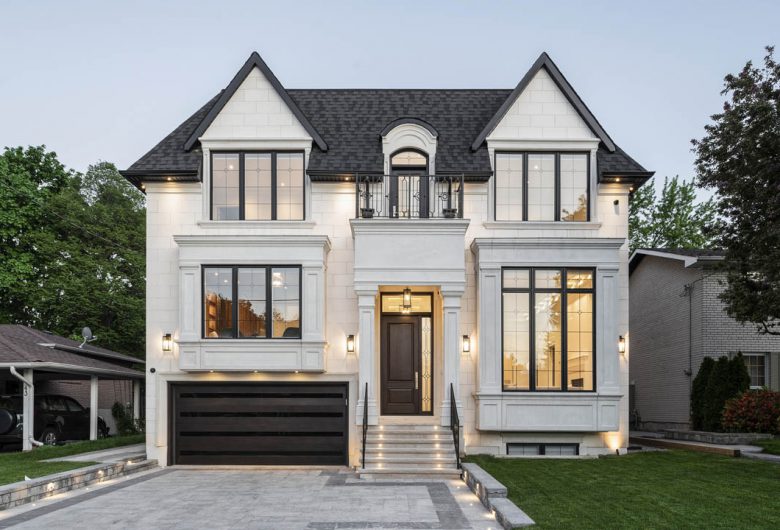
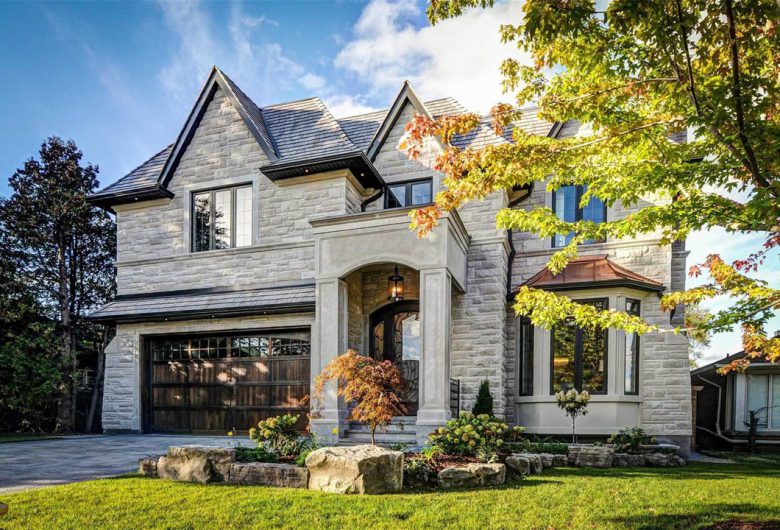
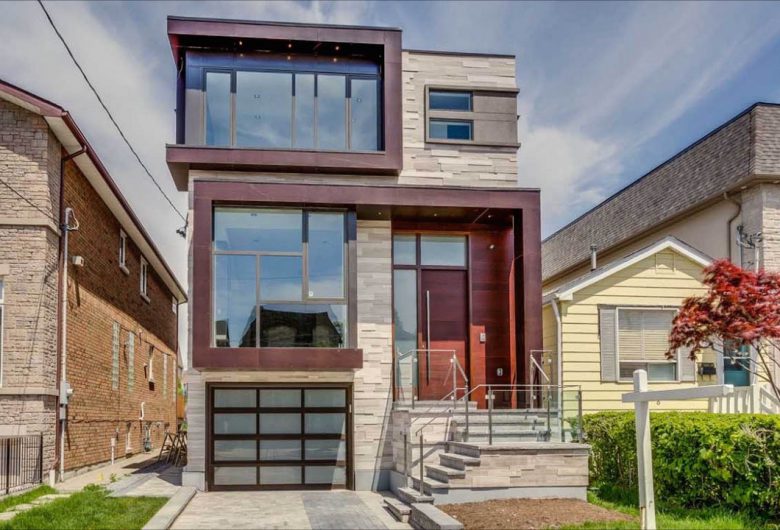
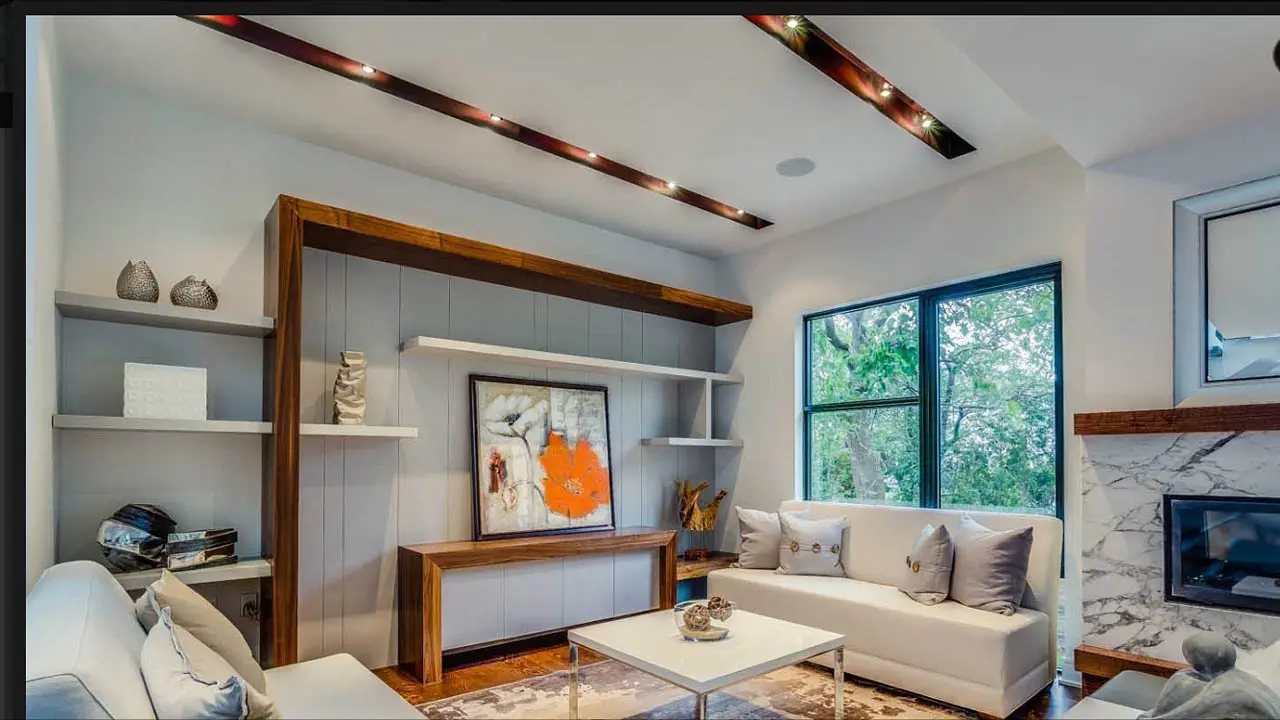
These are Odima residential portfolio images. They show interior planning and finish work without presenting every photograph as a documented home addition.
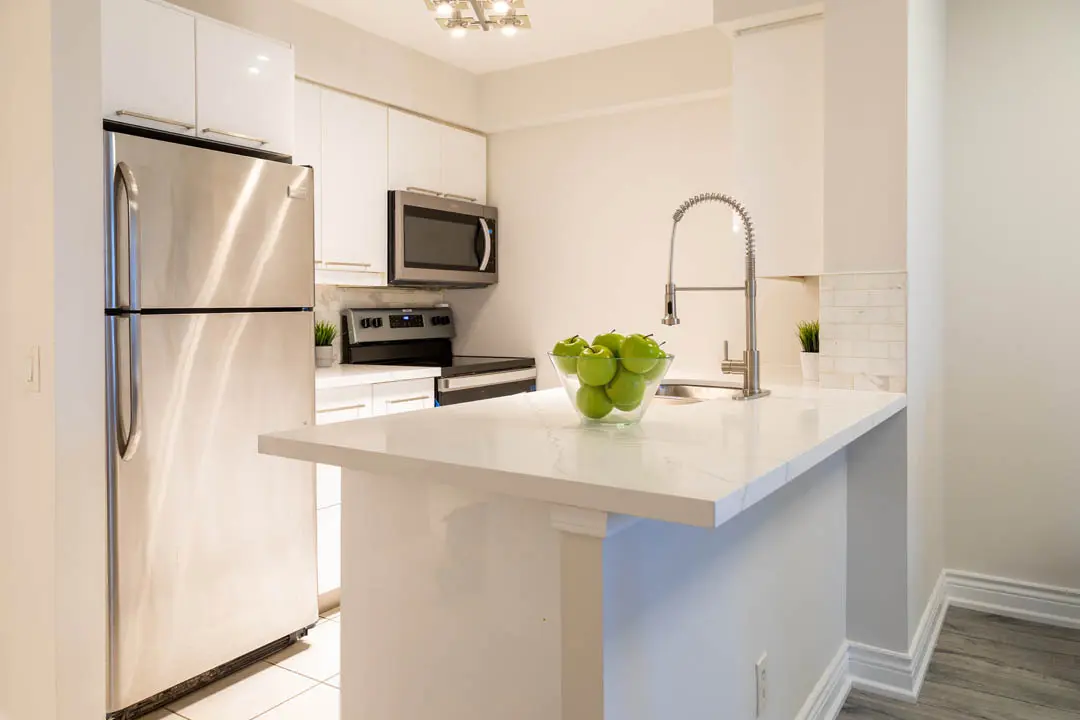
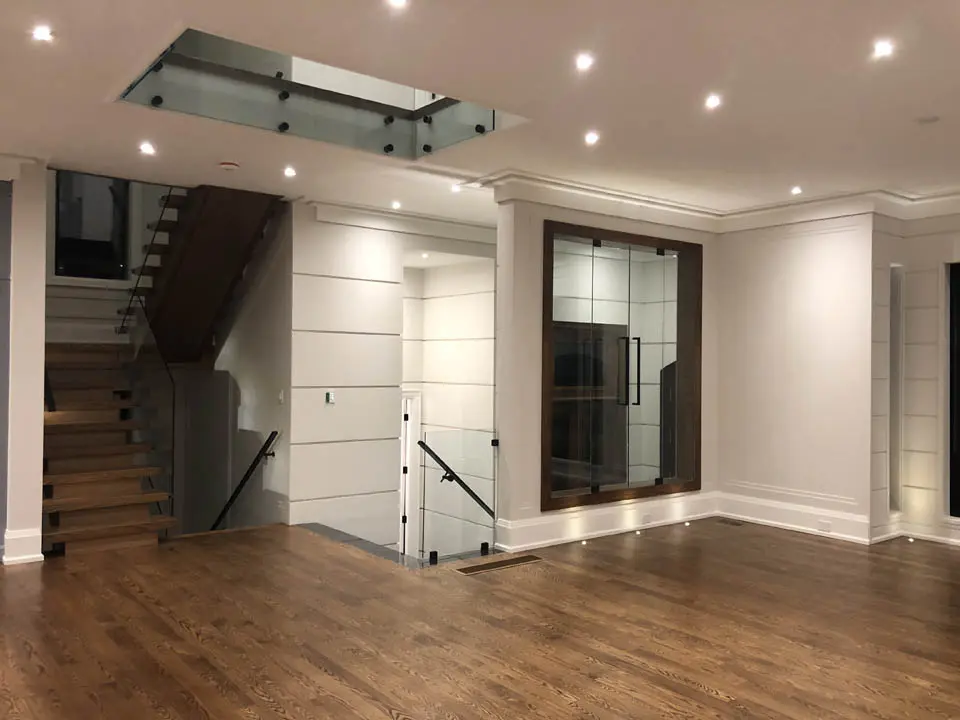
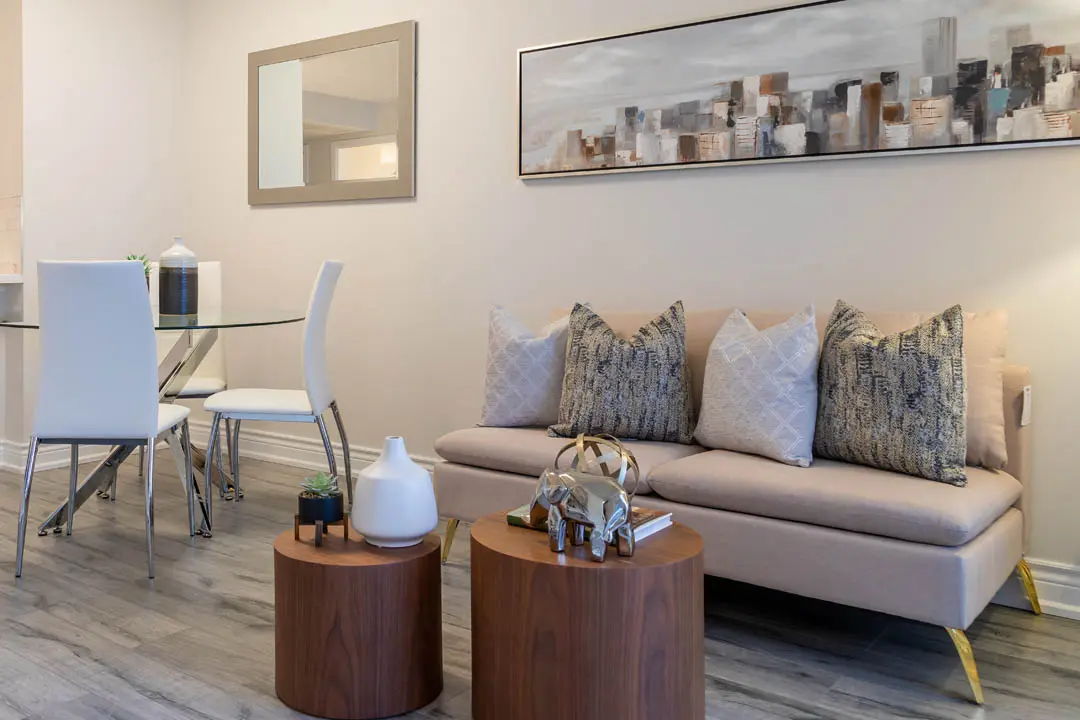
Review named Odima projects for a broader look at exterior materials, interior detailing and completed residential work across Toronto and the GTA.
View the PortfolioHome Addition FAQs
Questions to Resolve Before Design Moves Ahead
Homeowners regularly ask about permits, cost, disruption, change orders and the difference between building up and building out. These answers provide a practical starting point.
Do I need a building permit for a home addition in Toronto?
Yes. The City of Toronto identifies an addition to an existing building as work that requires a building permit. Drawings and supporting information depend on the property and proposed scope. Review the current City of Toronto permit guidance and confirm project responsibilities before applying.
Is it better to build a home addition up or out?
Building up may preserve more yard, while building out can connect directly to main-floor living areas. The better option depends on zoning, lot coverage, setbacks, the existing structure, stair placement, access, grading and the rooms you need. A property review should come before selecting either direction.
How much does a home addition cost in Toronto?
Cost depends on the existing house, addition size and form, structural work, excavation, exterior materials, windows, building systems, finishes and site access. Pricing should be developed from the drawings and defined scope rather than relying on one general square-foot number.
When should the builder become involved in the design?
Early involvement helps connect the design to site conditions, construction methods, material availability and the working budget. The designer, engineers and builder retain their own responsibilities, but early coordination may identify practical issues before drawings are finalized.
Does Odima coordinate home addition permit applications?
Permit coordination may be included in the agreed project scope. The agreement should identify who prepares drawings, retains consultants, submits applications and responds to review comments. Final review and approval remain with the City and other applicable authorities.
How are change orders handled during construction?
A proposed change should describe the revised work, cost and likely schedule effect before the affected work proceeds whenever practical. The project documents should also identify who may authorize changes and how approvals will be recorded.
Can my family stay in the house during an addition?
That depends on the addition, access, utility interruptions, temporary protection and the work occurring inside the existing home. Occupancy expectations and temporary arrangements should be discussed during pre-construction planning rather than assumed.
How does a new addition connect visually to the existing house?
The design considers rooflines, window proportions, exterior materials, floor levels and interior transitions. Exact material matching may not always be possible, so the team should decide when to match closely and when a deliberate contrast produces a more coherent result.
How long does a Toronto home addition take?
The schedule depends on design development, consultant work, municipal review, site conditions, addition type, material lead times and construction scope. A project-specific schedule is prepared after enough information is available to plan the work responsibly.
Is a garden suite the same as an attached home addition?
No. A garden suite is a detached residential unit located elsewhere on the same property, while an attached addition expands the main house. Property eligibility, zoning, services, access and approvals should be reviewed specifically for the option being considered.
Home Addition Planning Consultation
Bring the Property, Space Goals and Early Questions Together
Share the rooms you need, the property involved and any drawings or site information already available. Odima will review the project and explain the next practical planning step.