Are you planning to build a luxury home in Toronto, buy an existing high-end property or renovate your current house? Each option can create a comfortable and refined home, but the right choice depends on your property, budget, timeline and priorities.
Luxury is not simply about adding expensive finishes. A well-designed home should feel comfortable, function properly and use materials that suit the architecture. The planning behind the home is often more important than any single feature.
This guide explains what makes a home luxurious, which design decisions matter and what you should consider before building, buying or renovating.
Quick answer
A luxury home combines a desirable property, thoughtful architecture, comfortable room proportions, durable materials, detailed workmanship and features selected for the homeowner. It should feel personal and practical rather than simply large or expensive.
A well-planned luxury home usually includes
- Architecture designed for the property
- A floor plan based on the homeowner’s routine
- Comfortable room sizes and natural light
- Quality materials used with purpose
- Reliable mechanical and electrical systems
- Custom storage, millwork and practical details
- Consistent interior and exterior design
What Makes a Home Luxurious?
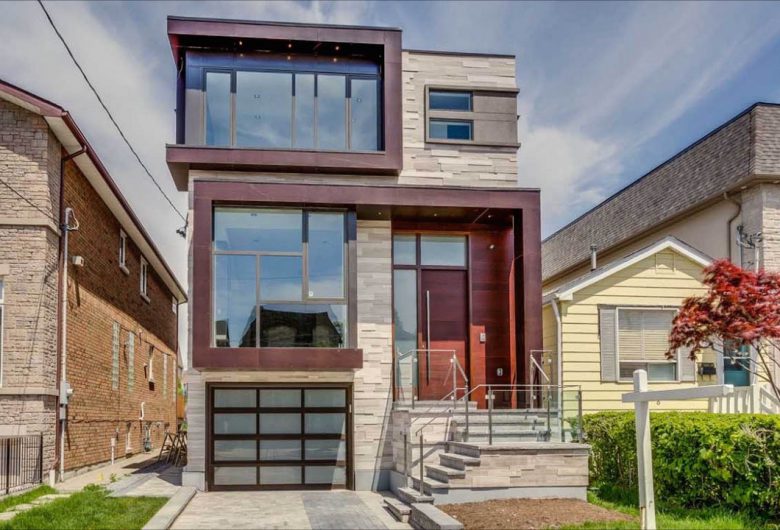
There is no single size, architectural style or price that automatically makes a property luxurious. A modern city home can feel just as refined as a large traditional estate when the design suits the property and the workmanship is carefully managed.
One of the first things you should think about is how the home will be used. A formal dining room may matter to one family, while another may prefer a large kitchen, an informal living area and direct access to the backyard.
Luxury comes from making the right decisions for the homeowner rather than following a standard list of features.
Common qualities of a luxury home
- ✓ A location that supports the homeowner’s lifestyle
- ✓ Architecture that responds to the lot and neighbourhood
- ✓ A functional layout with good circulation
- ✓ Durable exterior and interior materials
- ✓ Detailed cabinetry, trim and millwork
- ✓ Well-planned lighting and natural light
- ✓ Comfortable heating, cooling and ventilation
- ✓ Private, secure and practical outdoor areas
Luxury Home Design in Toronto
Toronto includes established neighbourhoods, narrow urban lots, large estate properties and homes with heritage character. The design should respect the conditions of the property instead of forcing the same plan onto every lot.
A coordinated design-build process allows architectural decisions, engineering, budgeting and construction details to be reviewed together.
A Strong Architectural Concept
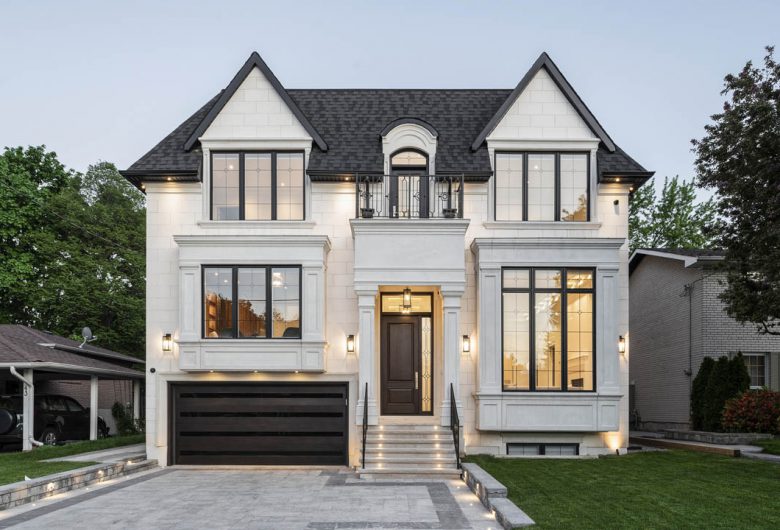
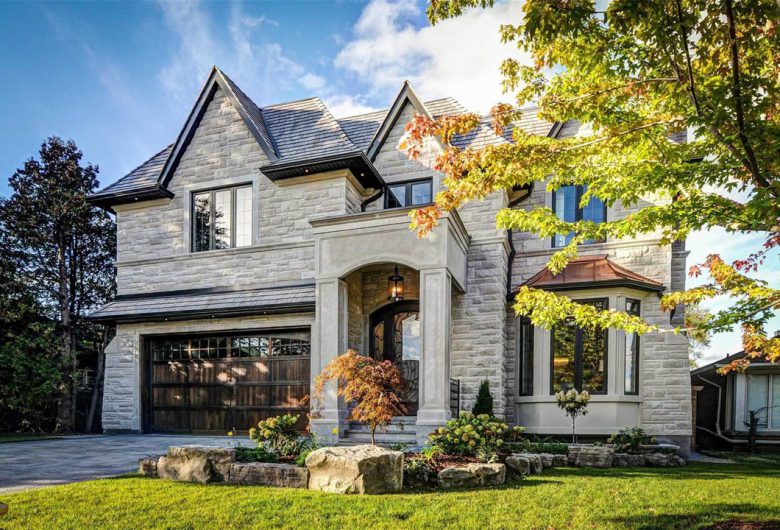
The exterior should have clear proportions, balanced materials and details that suit the architectural style. Adding more stone, glass or decorative features does not always improve the design.
A simpler exterior with well-positioned windows and carefully selected materials can feel more refined than a complicated façade with too many competing details.
Comfortable Room Proportions
Large rooms are only useful when they remain comfortable and easy to furnish. Ceiling height, window placement, furniture layouts and connections between rooms should all be considered together.
A successful floor plan gives important rooms enough space while reducing oversized hallways, awkward corners and areas that will rarely be used.
Natural and Layered Lighting
Large windows can bring light into the home, but their size and direction also affect privacy, glare and indoor temperature. Window placement should be planned with the room layout and exterior elevations.
Interior lighting should combine general, task and accent lighting. This helps kitchens, bathrooms, hallways and entertaining spaces remain useful throughout the day.
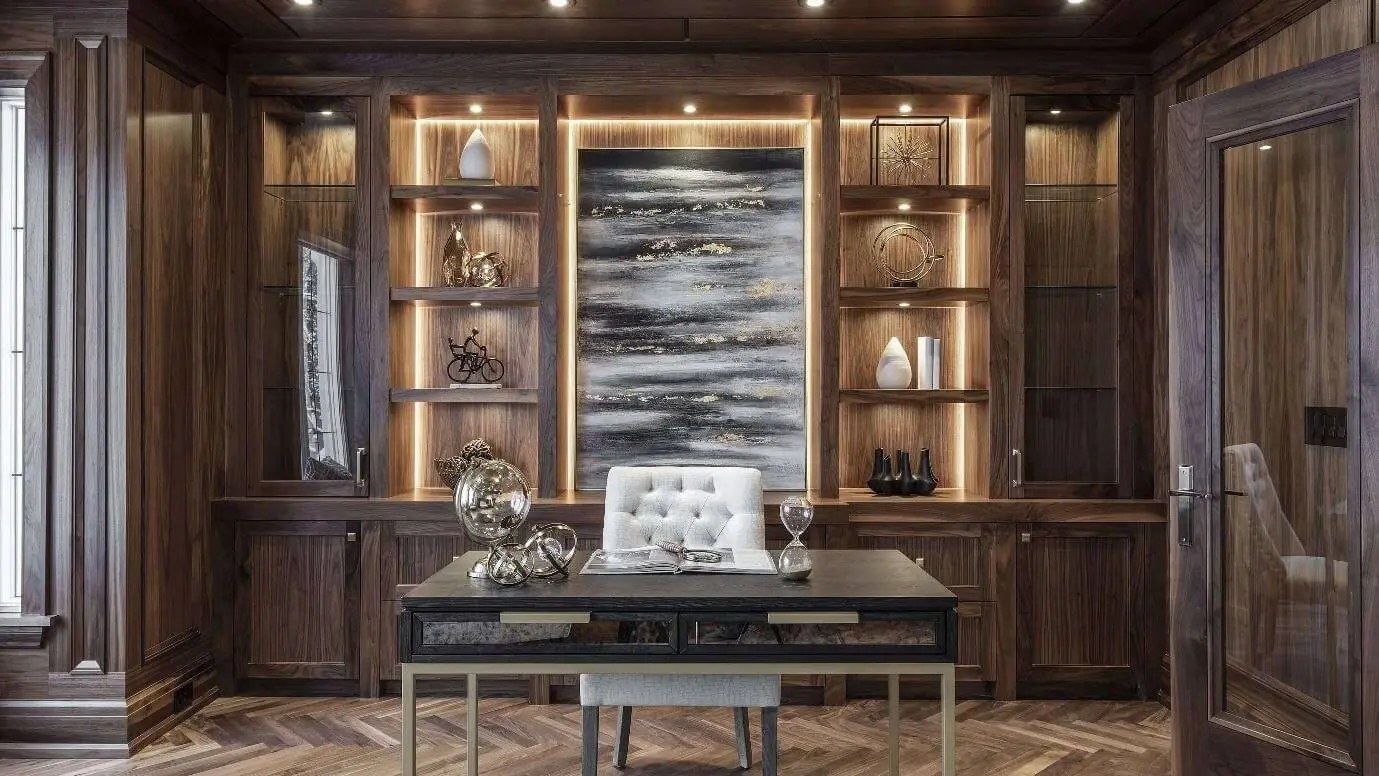
Custom Storage and Millwork
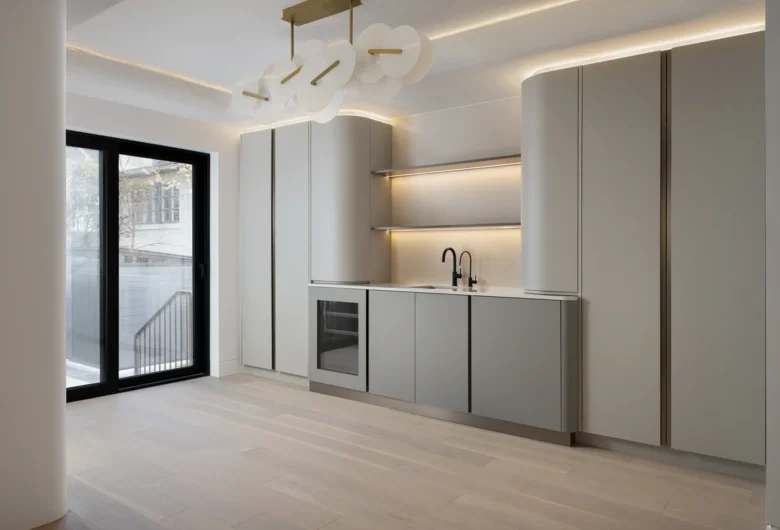
Built-in storage can make the home feel more organized without filling every room with separate furniture. Custom cabinetry may be used in kitchens, mudrooms, offices, dressing rooms and entertainment areas.
The goal is not to add cabinetry everywhere. Storage should be placed where it supports daily routines and keeps frequently used items easy to reach.
Luxury Home Features Worth Planning
Features should be selected because they improve comfort, convenience or long-term use. A feature that looks impressive but is rarely used may not be the right place to spend your budget.
A Practical Luxury Kitchen
A well-planned kitchen may include a generous island, durable countertops, custom cabinetry, integrated appliances and a separate pantry or preparation area. Clear work zones are usually more valuable than adding unnecessary size.
Comfortable Primary Suite
The primary bedroom, bathroom and dressing area should work as one connected space. Privacy, storage, lighting and bathroom ventilation should be considered before selecting decorative finishes.
Flexible Work and Guest Spaces
An office, library or guest suite can be designed for more than one use. Flexible rooms help the home adapt as work arrangements and family needs change.
Indoor and Outdoor Connection
Covered patios, large doors and outdoor cooking areas can extend the living space. Drainage, privacy, shade and year-round maintenance should be considered along with appearance.
Integrated Home Technology
Lighting, climate control, security, window coverings and audio systems can be coordinated during construction. Planning wiring and equipment locations early helps avoid visible changes later.
Wellness and Recreation Areas
Home gyms, saunas, pools, theatres and wine rooms can be worthwhile when they suit the homeowner. Each space should include the ventilation, waterproofing, acoustics or temperature control it requires.
Choose features with a purpose
A long feature list does not guarantee a better home. Start with the spaces you will use most often, then invest in quality construction, comfort and details that support your routine.
Quality Materials and Workmanship
Quality materials should suit their location and expected use. Natural stone may work well in one area, while engineered products may provide easier maintenance or better performance elsewhere.
Workmanship is equally important. Good installation, accurate detailing and careful coordination often have more effect on the finished result than the price of the material itself.
Important areas to review include:
- Exterior wall and roof assemblies
- Windows and exterior doors
- Waterproofing and drainage
- Heating, cooling and ventilation
- Cabinetry and architectural millwork
- Tile, stone and flooring installation
- Paint, trim and final finishing details
Building, Buying or Renovating a Luxury Home
There is no single option that is right for every homeowner. The following comparison can help point you in the right direction.
| Option | Best suited for | Main consideration |
|---|---|---|
| Build a custom home | Homeowners who want control over the property, layout, materials and systems. | Requires design, approvals, construction time and detailed budget planning. |
| Buy an existing luxury home | Buyers who want to move sooner and find a home that already meets most needs. | The layout, systems and materials were selected by someone else. |
| Renovate an existing home | Owners who like their property but need better function, comfort or finishes. | Existing structure and concealed conditions can limit the design or affect cost. |
For a closer comparison, read our guide on whether to buy or build a house in Toronto.
Cost to Build a Luxury Home in Toronto
The cost of a luxury home cannot be estimated from square footage alone. Two homes of the same size can have very different budgets because of architecture, excavation, structural requirements, materials and interior details.
Luxury construction often sits above general custom-home pricing because it may involve complex engineering, custom fabrication, specialty trades and more detailed finishes. However, every project should be priced from its actual drawings and specifications.
A luxury-home budget may include
- Land or an existing teardown property
- Demolition and site preparation
- Architectural and interior design
- Structural and mechanical engineering
- Applications and permit fees
- Construction labour and materials
- Landscaping and exterior work
- Appliances, technology and specialty systems
- Financing, carrying costs and contingency
Use Odima’s detailed guide to the cost of building a house in Toronto for current planning considerations and a closer breakdown of construction expenses.
How Long Does a Luxury Home Take to Build?
The construction period is only one part of the complete timeline. The project may also require property review, design development, engineering, permit applications, demolition and material selection before the main construction work begins.
A larger or highly detailed home may take longer because it involves more custom work, coordination and inspections. Planning the major decisions before construction can reduce delays and last-minute changes.
Property and feasibility review
Review zoning, lot conditions, trees, servicing and the approximate buildable area.
Design and engineering
Develop the architecture, floor plans, structural details and main building systems.
Approvals and selections
Complete required applications while selecting important materials, fixtures and equipment.
Site work and construction
Prepare the property, build the structure and complete the exterior, systems and interior.
Inspections and completion
Complete inspections, deficiencies, final cleaning and homeowner orientation.
Renovating an Existing Home for a Luxury Finish
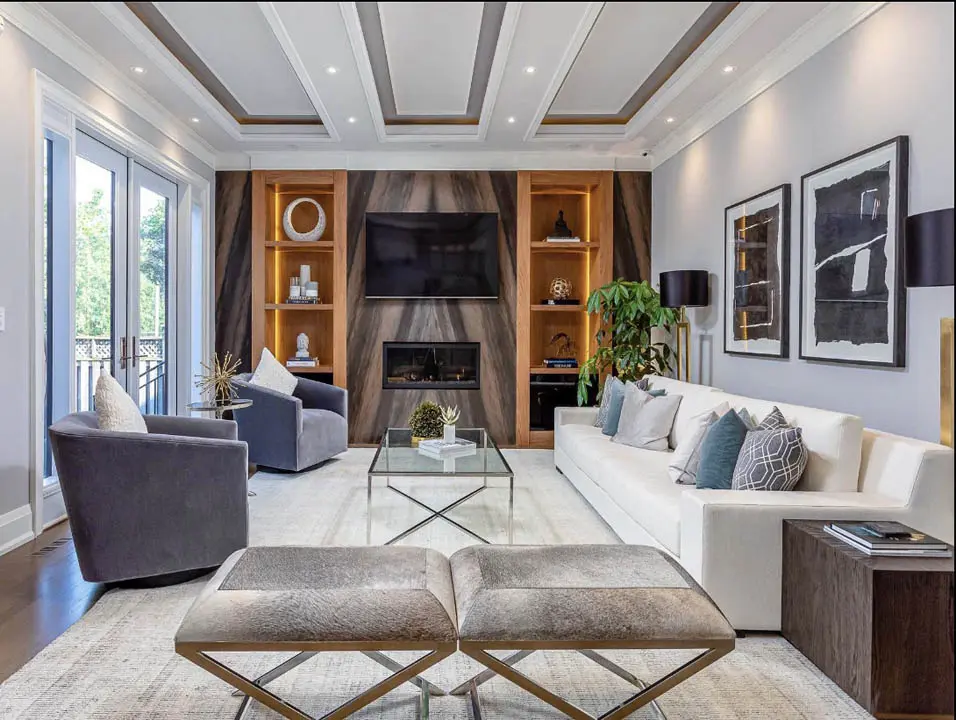
Renovation can be the right choice when you like the location and structure of your existing home. A major renovation may improve the layout, increase natural light, update building systems and create a more consistent interior.
However, an existing house comes with limitations. Structural walls, ceiling heights, foundations and concealed conditions can affect what is practical.
Before selecting finishes, review the condition of the structure and mechanical systems. Correcting those areas first can provide better long-term value than spending the full budget on visible upgrades.
Avoid surface-only planning
New flooring, cabinetry and lighting may improve appearance, but they will not solve poor room flow, outdated wiring, moisture problems or uncomfortable heating and cooling.
Questions to Ask Before Starting
- What rooms and features will we use every day?
- Which neighbourhood or property conditions matter most?
- Do we want to build, buy or renovate?
- What is our full budget, including contingency?
- Which materials are worth investing in?
- How should the home adapt as our family changes?
- Who will coordinate the design, approvals and construction?
You can learn more about Odima’s custom home building services or view completed projects in the custom home portfolio.
Frequently Asked Questions
What qualifies as a luxury home in Toronto?
A luxury home usually combines a desirable property, thoughtful architecture, quality materials, detailed workmanship, comfortable systems and features selected for the homeowner. Price and size alone do not determine whether a home is luxurious.
Is it better to build or buy a luxury home?
Building provides more control over the property, layout, materials and systems, while buying may allow you to move sooner. The right choice depends on your budget, timeline, preferred neighbourhood and willingness to manage a construction project.
How much does it cost to build a luxury home in Toronto?
The cost depends on the property, excavation, size, architecture, structural requirements, materials, mechanical systems and interior details. A reliable estimate should be prepared from the actual design and specifications rather than square footage alone.
Which luxury home features provide the most value?
Functional layouts, durable materials, comfortable heating and cooling, quality windows, useful storage and well-planned kitchens usually provide more lasting value than features selected only for appearance.
Can an existing home be renovated to feel luxurious?
Yes. A major renovation can improve room flow, lighting, storage, systems and finishes. The existing structure and concealed conditions should be reviewed before the design and budget are finalized.
When should I contact a luxury custom home builder?
It is helpful to speak with a builder before purchasing a property or completing the architectural design. Early construction input can identify site, budget and coordination concerns while there is still time to adjust the plan.
Planning a luxury home in Toronto?
Odima Construction can help you review the property, design priorities and construction requirements through a coordinated custom-home process.