Real estate investment services
Start With the Property, the Plan and the Buildable Scope
An investment property is more than a listing price and a renovation idea. Odima Construction helps Toronto owners and buyers connect the intended use of a property with its existing conditions, design requirements, approvals and construction work.
Our role is construction-led. We help evaluate what the project may involve, coordinate the design-build path and carry approved work through construction. Real estate, legal, lending, tax, appraisal and inspection advice should come from the appropriately qualified professionals.

A practical pre-purchase lens
Review the Work Behind the Opportunity
Before treating a property as a renovation, rental conversion, custom build or resale project, define what needs to be checked and which specialists should be involved.
Property and Existing Conditions
Review the building, access, visible conditions and available records. Older Toronto homes may need further investigation by inspectors, engineers or other consultants before the scope is reliable.
Intended Use and Layout
Clarify who the property is for, how it should function and which changes are essential. A clear use case helps separate value-driving work from expensive ideas that do not support the plan.
Zoning, Permits and Consultants
Identify the likely approval path and the drawings or professional input the project may require. Municipal review can affect both scope and schedule.
Construction Scope and Working Budget
Price from the best information available and state assumptions, exclusions and allowances. A realistic early budget should leave room for design development and concealed conditions.
Clear roles build trust
Construction Support Without Blurring Professional Advice
Odima coordinates the residential project work it is engaged to perform. Other decisions remain with your realtor, lawyer, accountant, lender, appraiser, inspector and design consultants.
Where Odima Adds Value
- Early construction and design-build discussion
- Renovation, addition and custom-home scope planning
- Coordination with designers, engineers and consultants
- Permit-related construction documentation and responses within the agreed scope
- Pricing based on drawings, specifications, assumptions and allowances
- Construction management, site coordination and project closeout
Where Your Specialists Lead
- Property search, offer strategy and brokerage representation
- Legal review, title, closing and ownership structure
- Financing, lending and mortgage advice
- Tax planning and investment accounting
- Formal appraisal and independent property inspection
- Leasing, tenant placement, staging and sale representation unless separately arranged
Build the investment brief
Give the Team One Clear Basis for Decisions
A useful project brief connects the property to the intended outcome. It also makes conversations with the realtor, consultants, lender and contractor more productive.
From review to project delivery
A More Useful Investment Property Process
The sequence adjusts to the property and the engagement. Responsibilities, decision dates and required information should be confirmed in writing.
Define the Goal
Clarify the intended use, essential scope, target decision date and which professional advisers are already involved.
Review the Property
Study available records and visible conditions, then identify where an inspection, engineering review, survey or other investigation is needed.
Test Feasibility
Connect the proposed layout and work with likely zoning, permit, structural, building-system, access and construction requirements.
Develop Design and Price
Advance drawings and specifications to the level needed for coordination and pricing. Record assumptions, exclusions, allowances and open decisions.
Approve and Build
Confirm the agreement, responsibilities, approvals and construction sequence before site work. Manage documented changes as the work progresses.
Close Out the Work
Complete inspections, deficiencies, records and handover items within the construction scope. Your real estate and financial advisers lead any leasing or sale activity.
The work is the proof
Completed Toronto-Area Homes by Odima


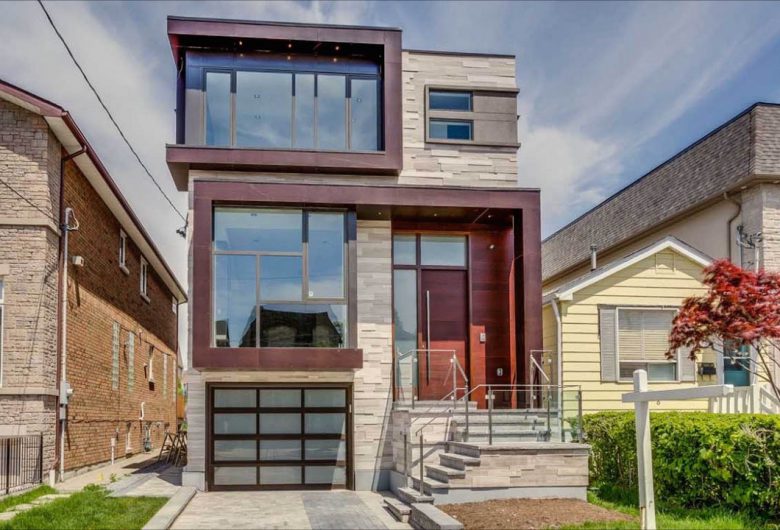
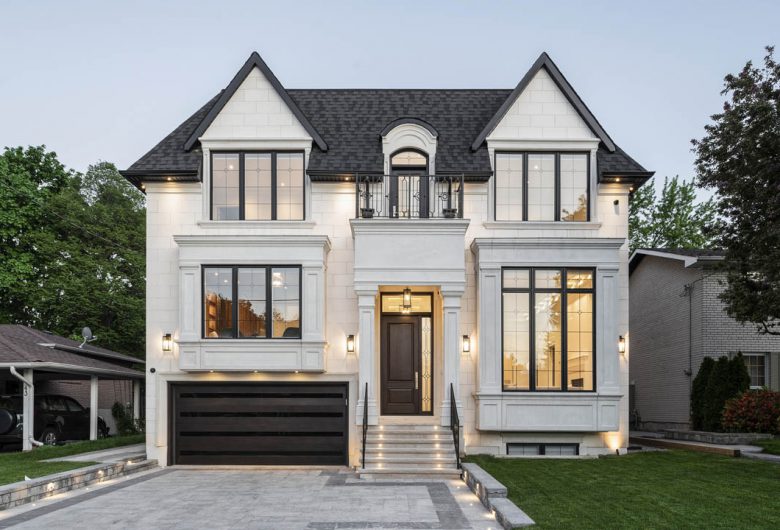
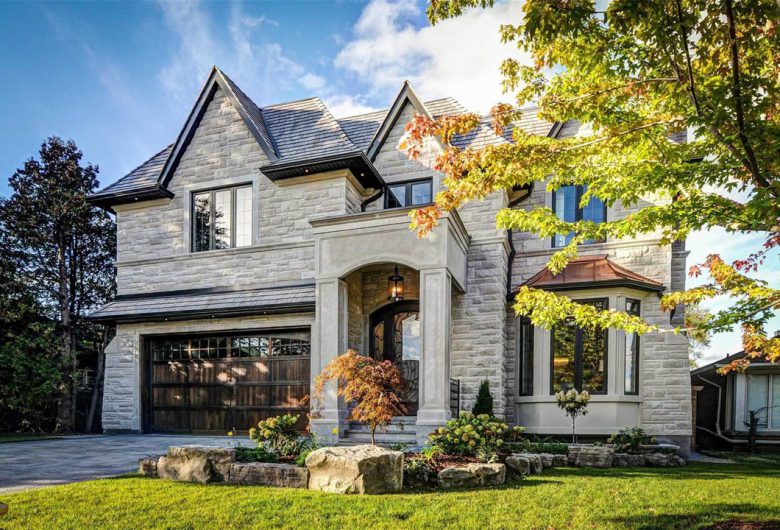
These are real Odima projects, not stock photos. Explore the portfolio to review more completed homes in Bayview Village, Rosedale, Unionville, Silver Hills and other Toronto-area neighbourhoods.
Explore Custom HomesInvestor questions, answered plainly
What Property Buyers Ask Before Committing
These answers address the concerns that come up repeatedly in Toronto renovation discussions: scope clarity, permits, hidden conditions, pricing, professional roles and change control.
What should I review before buying an investment property that needs construction?
Start with the intended use, existing building, lot, access, available records, zoning context and visible condition. Then identify which inspections, surveys, design studies or engineering reviews are needed. A contractor can discuss construction implications, but your realtor, lawyer, lender, accountant, appraiser and inspectors should lead advice within their fields.
Can Odima tell me the return I will earn on a property?
No responsible contractor can guarantee a return, sale price or rental result. Odima can help define the likely construction scope, required design information, approvals, assumptions and project costs. Your financial and real estate advisers should assess the investment case using those inputs and current market information.
How early should a contractor review a potential property?
Early input is most useful before the renovation or build scope is treated as fixed. The review can flag access limits, structural questions, building-system work, permit considerations and missing information. Its depth depends on access to the property and the time available during the purchase process.
What belongs in an investment-property construction budget?
Construction is only one part of the project. The owner should also consider design and consultant fees, permits, investigations, contingency, financing, carrying costs, taxes, insurance, utilities, temporary protection and any leasing or sale expenses. Ask each adviser to define the costs within their scope.
How should I compare contractor quotes for a renovation or rebuild?
Compare the drawings and specifications used for pricing, included work, exclusions, allowances, taxes, permit and consultant responsibilities, owner-supplied items, payment terms and change-order process. A lower total may reflect a different or less complete scope.
Why do allowances and assumptions matter?
An allowance reserves an amount for an item that is not fully selected or defined. An assumption records the basis used for pricing when information is incomplete. Both should be visible so the owner can see where final decisions may change the cost or schedule.
Do Toronto investment-property renovations need building permits?
Permit requirements depend on the proposed work. The City of Toronto identifies construction, demolition, additions and major renovations among work that may require permits, and it provides separate guidance for adding residential units. Review the current City building-permit information and confirm the path for the specific property.
Can an older Toronto house be converted into more residential units?
Possibly, but the answer is property-specific. Zoning, the Ontario Building Code, fire and life-safety requirements, servicing, structure, ceiling heights, entrances, parking, trees and other rules may affect the proposal. The City provides application guidance for adding residential units.
How should hidden conditions and change orders be handled?
The agreement should explain how concealed conditions are documented and how changes are priced and approved. When an issue is found, the team should identify the condition, obtain consultant input when needed, and present the recommended work, cost and schedule effect before dependent work proceeds whenever practical.
Does Odima handle the purchase, financing, leasing or sale?
Odima’s core role is residential construction and design-build coordination. Any brokerage, legal, lending, appraisal, tax, inspection, staging, leasing or sale service should be confirmed separately with the appropriately qualified provider. Ask for the responsibility of each party to be stated in writing.
Bring the property and the questions
Plan the Construction Before the Opportunity Becomes a Commitment
Share the address, intended use, available drawings or listing information, target scope and decision date. Odima will confirm the construction discussion that makes sense for the property.
Request a Planning Call