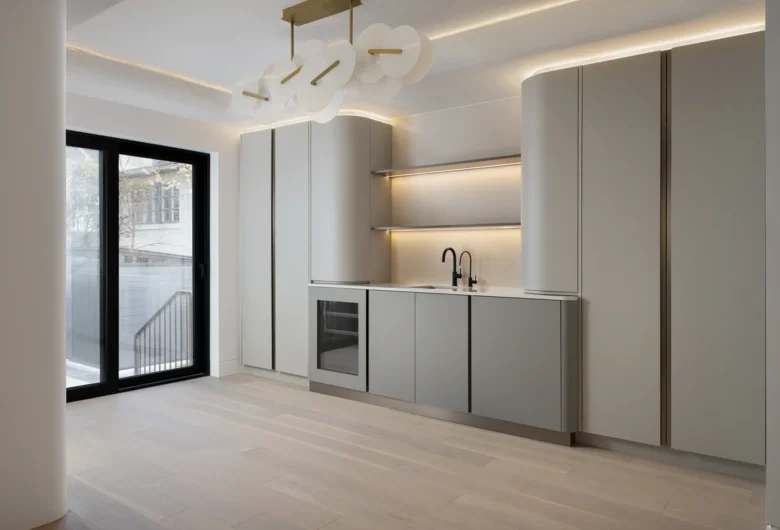
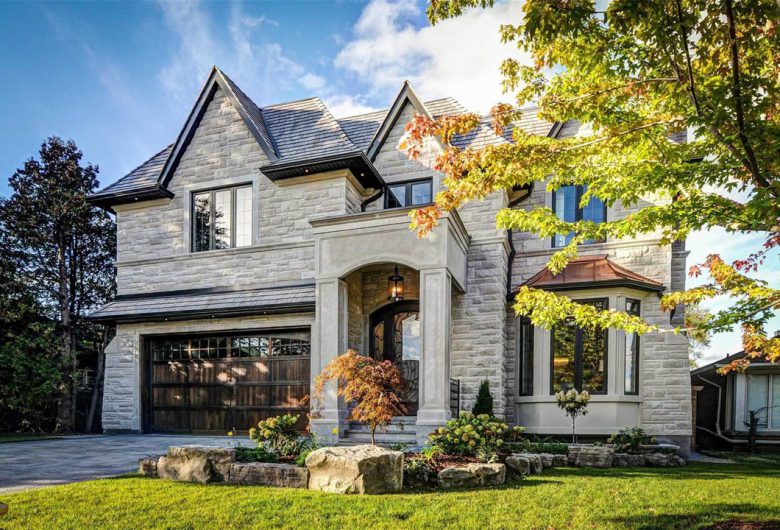
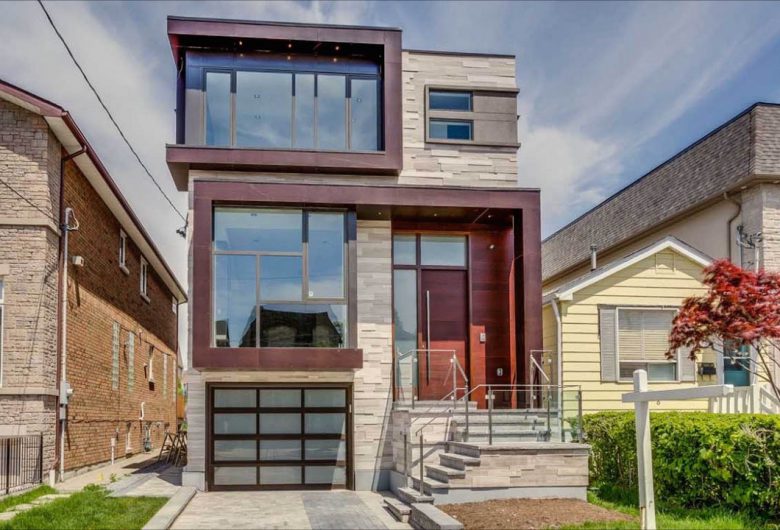
Are you trying to decide whether to buy an existing house or build a custom home in Toronto? Both options can provide a comfortable long-term home, but they involve very different costs, timelines and levels of control.
Buying usually gives you a faster and more predictable path to moving in. Building allows you to choose the layout, materials and building systems, but it also requires land, design work, approvals, construction financing and more time.
This guide compares buying versus building a house in Toronto, including total project costs, customization, financing, permits, maintenance and the practical questions that can help you choose.
Quick answer
Buying may be the better choice when you need to move sooner, prefer a more predictable mortgage process and can find a home that meets most of your needs. Building may be more suitable when you already own or can secure an appropriate property and want greater control over the layout, quality and long-term performance.
Buy vs. build overview
Buying an existing home
Faster possession, established neighbourhoods and a more conventional mortgage process
Building a custom home
Greater design control, new building systems and a longer planning and construction process
Best for speed
Buying an existing home
Best for customization
Building a custom home
Is It Cheaper to Buy or Build a House in Toronto?
Building is not automatically cheaper than buying, and buying is not automatically the better value. The comparison depends on the property, neighbourhood, home size, construction quality and work required after possession.
When you buy an existing house, the purchase price reflects the land, building, location and current market conditions. You must also account for land transfer taxes, legal expenses, inspections, moving and any immediate repairs or renovations.
When you build, the total investment includes the property, demolition where required, design, municipal approvals, construction, landscaping, financing, taxes and contingency.
Costs When Buying a House
- Purchase price and mortgage down payment
- Provincial and Toronto land transfer taxes
- Legal and registration expenses
- Home inspection and appraisal
- Moving and storage
- Immediate repairs and maintenance
- Renovations needed to make the house suitable
Costs When Building a House
- Land purchase and associated closing costs
- Demolition and site preparation
- Architectural design and engineering
- Building permits and municipal charges
- Hard construction costs
- Driveway, landscaping and exterior work
- Construction financing and insurance
- Temporary accommodation
- Applicable taxes
- Contingency for site conditions and approved changes
Compare the complete finished cost
A lower purchase price may be less attractive after major renovation work is included. A construction estimate may also appear lower when land, design, landscaping, municipal charges or HST are excluded.
Cost of Building a Custom Home in Toronto
For early planning, a Toronto custom home may require approximately $350 to $500 or more per square foot in hard construction costs. Highly customized homes, complex structures and difficult sites may exceed this range.
Hard construction normally covers the physical building work. It may not include the land, demolition, professional services, municipal charges, landscaping, financing, HST or contingency.
Custom home construction examples
2,000 square feet
$700,000 to $1,000,000+
3,000 square feet
$1,050,000 to $1,500,000+
4,000 square feet
$1,400,000 to $2,000,000+
Read Odima’s Toronto custom home cost guide for a more detailed explanation of hard costs, soft costs and project allowances.
Buying an Existing Home: Advantages
Faster Possession
An existing house can often be occupied after the purchase closes. Even when repairs are required, the timeline is usually shorter than designing and constructing a new home.
Buying may therefore be more practical when you need to move because of employment, school, family or the sale of another property.
Established Neighbourhood
You can see the surrounding homes, traffic, mature trees, nearby services and general character of the street before completing the purchase.
The location may also provide established schools, transit, parks and community services that are already operating.
More Conventional Financing
A standard residential mortgage is generally more familiar to buyers than construction financing. The lender evaluates the completed property and releases the mortgage according to the purchase agreement.
You still need to qualify for financing and provide the required down payment, but the process may involve fewer construction-related conditions.
You Can Inspect the Finished House
You can walk through the rooms, review natural light, test the commute and understand the existing layout before deciding.
A professional inspection may also identify visible concerns with the structure, roof, plumbing, electrical system and mechanical equipment.
Potential to Renovate in Stages
An existing house may be improved over time rather than through one large construction project.
You might renovate the kitchen first, update bathrooms later and complete landscaping after the main interior work is finished.
Buying an Existing Home: Disadvantages
You May Need to Compromise
The home may have the right location but an unsuitable kitchen, small bathrooms, limited storage or an awkward room arrangement.
Renovation Costs Can Be Significant
Layout changes, structural work, new wiring, plumbing replacement and complete kitchens or bathrooms can add a substantial amount to the purchase price.
Some Problems Are Hidden
Moisture damage, unsafe alterations, deteriorated drains and poor insulation may not become visible until walls or floors are opened.
Existing Systems May Be Near Replacement
Roofing, windows, heating equipment, electrical panels and plumbing can require upgrades soon after possession.
Older Homes May Be Less Energy Efficient
Air leakage, limited insulation and outdated equipment can affect comfort and operating expenses until improvements are completed.
Odima’s Toronto home renovation services cover kitchens, bathrooms, complete interiors and structural home transformations.

Building a Custom Home: Advantages
Control Over the Floor Plan
Building allows you to plan the number and size of rooms around your household instead of adapting to someone else’s layout.
Bedrooms, offices, laundry rooms, storage and entertaining areas can be positioned according to your routines and privacy preferences.
Material and Finish Selection
You can select the flooring, cabinetry, stone, plumbing fixtures, lighting and exterior materials before they are installed.
This provides greater control over quality and reduces the need to remove recently installed finishes that do not match your preferences.
New Building Systems
Electrical, plumbing, heating, cooling and ventilation systems are installed as part of the new house rather than adapted from older infrastructure.
You can also plan networking, electric-vehicle charging, lighting controls, leak detection and other technology before the walls are closed.
Improved Energy Performance
A new home must meet current building requirements and can be designed with additional insulation, better windows, improved air sealing and efficient mechanical systems.
Performance depends on the design and construction details, so energy goals should be established before products and systems are selected.
Long-Term Accessibility
Wider openings, a main-floor bedroom, accessible bathrooms and space for a future elevator can be integrated into the original design.
These features are usually easier to build from the beginning than to add after the house is completed.
Lower Immediate Maintenance
Roofing, windows, finishes and building systems are new, so major age-related replacement should not be required immediately.
Regular maintenance is still necessary, and the quality of the construction will affect long-term performance.
Building a Custom Home: Disadvantages
A Longer Timeline
Property review, design, approvals, pricing, product selection and construction can take many months or longer.
More Financial Planning
Construction financing may release funds in stages and can require appraisals, inspections, owner equity and detailed cost documentation.
Land Can Be Difficult to Find
A suitable property must provide the right location while also supporting the proposed home under current zoning and site conditions.
Many Decisions Are Required
Floor plans, windows, cabinets, fixtures, materials and building systems must be selected and coordinated within the project schedule.
Site Conditions Can Affect the Budget
Soil, groundwater, utility locations, protected trees and access limitations may require additional work.
Temporary Accommodation May Be Necessary
You may need to rent another home while the design, approval and construction stages are completed.
Buying Land Before Building
A property should not be purchased only because its dimensions appear suitable. Zoning, trees, easements, grading, soil and existing buildings can affect what may be constructed.
Complete a feasibility review before relying on a particular house size or layout.
Property conditions to review
- Lot frontage and area
- Permitted floor area and lot coverage
- Building height, depth and setbacks
- Protected trees and root zones
- Easements and utility locations
- Soil and groundwater conditions
- Site grading and drainage
- Demolition and hazardous-material requirements
- Access for excavation and construction equipment
Read Odima’s guide to buying land and building a house in Toronto before committing to a property.
An existing house does not confirm what can be rebuilt
The current house may contain legal dimensions or setbacks that cannot be repeated in a replacement building. Confirm the new-home zoning envelope before buying for redevelopment.
Land Transfer Taxes and Purchase Costs
Buying a residential property in Toronto may involve both Ontario land transfer tax and Toronto Municipal Land Transfer Tax.
These costs apply when purchasing an existing home and can also apply when purchasing land or a property intended for demolition and redevelopment.
Review Toronto’s current Municipal Land Transfer Tax rates and fees and obtain legal advice for your transaction.
Custom Home Permits and Approvals
Building a new house requires a building permit and supporting documents. The design must also comply with zoning and other applicable property requirements.
A new-house submission may require
- Property survey and site plan
- Architectural floor plans and elevations
- Building sections and construction details
- Structural drawings and engineering
- Mechanical and plumbing information
- Energy-efficiency documentation
- Grading and drainage information
- Other reports required for the property
Review the City of Toronto’s current new-house building permit guide before preparing the application.
Custom Home Builder Licensing in Ontario
A builder hired to construct a custom or contract home on land owned by the homeowner must meet applicable Home Construction Regulatory Authority licensing requirements.
Check the builder’s licence and confirm applicable new-home enrollment and warranty requirements before signing an agreement. Review the current HCRA licensing guidance for more information.
How Long Does Buying a House Take?
The buying process includes mortgage approval, searching for properties, making an offer, completing due diligence and closing.
The timeline can range from several weeks to many months, depending on the market and how quickly you find an acceptable property. Once the transaction closes, possession may be immediate or scheduled for a later date.
How Long Does Building a House Take?
Building involves property review, architectural design, budgeting, municipal approvals, product selection and construction.
Many custom-home projects may take approximately 18 to 30 months or longer from early planning to completion. A straightforward project that complies with zoning may move faster than one requiring additional approvals or complex construction.
Typical custom-home stages
Feasibility: Property, zoning, goals and preliminary budget
Design: Floor plans, exterior architecture and building systems
Approvals: Zoning, demolition, building permits and related submissions
Pre-construction: Final pricing, selections, contracts and ordering
Construction: Site work, structure, enclosure, building systems and finishes
Customization and Design Control
Customization is one of the clearest differences between buying and building.
When buying, you select from homes already available. When building, you can develop the room relationships, materials and systems around your preferences and the property.
Buying
You may need to accept compromises in room size, storage, window placement, ceiling height and circulation.
Building
You can choose the floor plan and finishes, but every decision must still fit the zoning, building code, property and budget.
Convenience and Project Involvement
Buying requires property searches, viewings, offers, inspections, financing and closing. Most decisions are concentrated around the transaction and any renovation completed afterward.
Building requires regular participation over a longer period. You will review plans, budgets, material selections, changes and construction progress with the project team.
A design-build team can reduce coordination
One coordinated team can connect the design, budgeting, approvals and construction stages, helping you understand how each decision affects cost and scheduling.
Learn more about Odima’s coordinated Toronto design-build process.
Buy, Renovate or Build?
Your decision may include a third option: purchasing an existing house and completing a planned renovation or addition.
Buy and Move In
Suitable when the available house already meets most of your needs and requires only manageable repairs or updates.
Buy and Renovate
Suitable when you find the right neighbourhood and structure but need a different layout, updated systems or additional space.
Build a Custom Home
Suitable when you want greater control and can support the land, design, approval, financing and construction requirements.
Questions to Ask Before Buying or Building
- How soon do we need to move?
- What is our complete budget, including contingency?
- Do we already own a suitable property?
- How important is a particular neighbourhood?
- Can an existing home meet our needs after renovation?
- How much customization do we require?
- Are we comfortable making many design decisions?
- Can we carry temporary accommodation and construction financing?
- How long do we expect to remain in the finished home?
- Which option provides the best long-term layout and accessibility?
Buy or Build Decision Process
Define Your Required Home
List the required rooms, approximate size, neighbourhood and long-term accessibility needs.
Establish the Complete Budget
Include transaction costs, renovation, construction, temporary accommodation, taxes and contingency.
Review Financing Options
Discuss mortgage and construction-financing requirements with qualified financial professionals.
Compare Available Homes
Identify what is available in your preferred areas and estimate the renovations required.
Review Building Properties
Assess potential land or redevelopment properties for zoning, structure, trees, utilities and site conditions.
Prepare Preliminary Concepts
Compare a renovation plan with a custom-home concept before making the final commitment.
Compare the Finished Results
Choose the option that provides the best balance of location, function, cost, timing and long-term comfort.
Should You Buy or Build a House?
Buying May Be Better When
- You need to move sooner
- A specific neighbourhood is the priority
- You find a house that meets most of your needs
- You prefer conventional mortgage financing
- You want to inspect the finished property before committing
- You are comfortable completing improvements over time
Building May Be Better When
- You already own or can secure a suitable property
- You need a highly specific layout
- Energy performance and new systems are priorities
- You want greater control over materials and quality
- You have time for design and approvals
- You can support the construction budget and financing process
Planning a Custom Home in Toronto
The right choice depends on your finances, schedule, preferred location and the amount of customization you need.
Buying can provide a faster route to ownership, while building offers more control over the finished home. A renovation may provide a practical middle option when you find the right property but not the right interior.
Learn more about Odima’s Toronto custom home building services.
You can also browse the Odima Construction portfolio for examples of completed custom homes and residential interiors.
Deciding whether to buy or build?
Odima Construction can help you review a property, compare renovation and new-build options and develop a practical plan for your Toronto home.
Frequently Asked Questions
Is it cheaper to buy or build a house in Toronto?
It depends on the property, location and finished specifications. Buying includes the purchase price, closing costs and renovations, while building includes land, design, approvals, construction, landscaping, financing and contingency.
How much does it cost to build a custom home in Toronto?
A Toronto custom home may require approximately $350 to $500 or more per square foot in hard construction costs. Land, demolition, professional fees, municipal charges, landscaping, HST and contingency may be additional.
How long does it take to build a house in Toronto?
The complete process may take approximately 18 to 30 months or longer when property review, design, approvals and construction are included. Complex zoning or custom details can extend the timeline.
Is buying an existing home faster?
Yes. Once you find a suitable property, the purchase may close within weeks or months. Major renovations completed before moving in can extend that timeline.
Do I need a permit to build a house in Toronto?
Yes. A new house requires a building permit and supporting documents. Zoning, demolition, trees, grading, utilities and other property-specific approvals may also apply.
Does a custom home builder need a licence in Ontario?
A builder hired to construct a custom or contract home on land owned by the homeowner must meet applicable HCRA licensing requirements. Confirm the licence and warranty requirements before signing an agreement.
Should I buy an older house and renovate it?
This may be a practical option when the location and structure are suitable. Complete an inspection, property review and renovation estimate before relying on the purchase price alone.
What is the biggest advantage of building a house?
The main advantage is control. You can design the layout, building systems, materials and long-term accessibility features around your property and household needs.